Navigation, communication and monitoring for divers
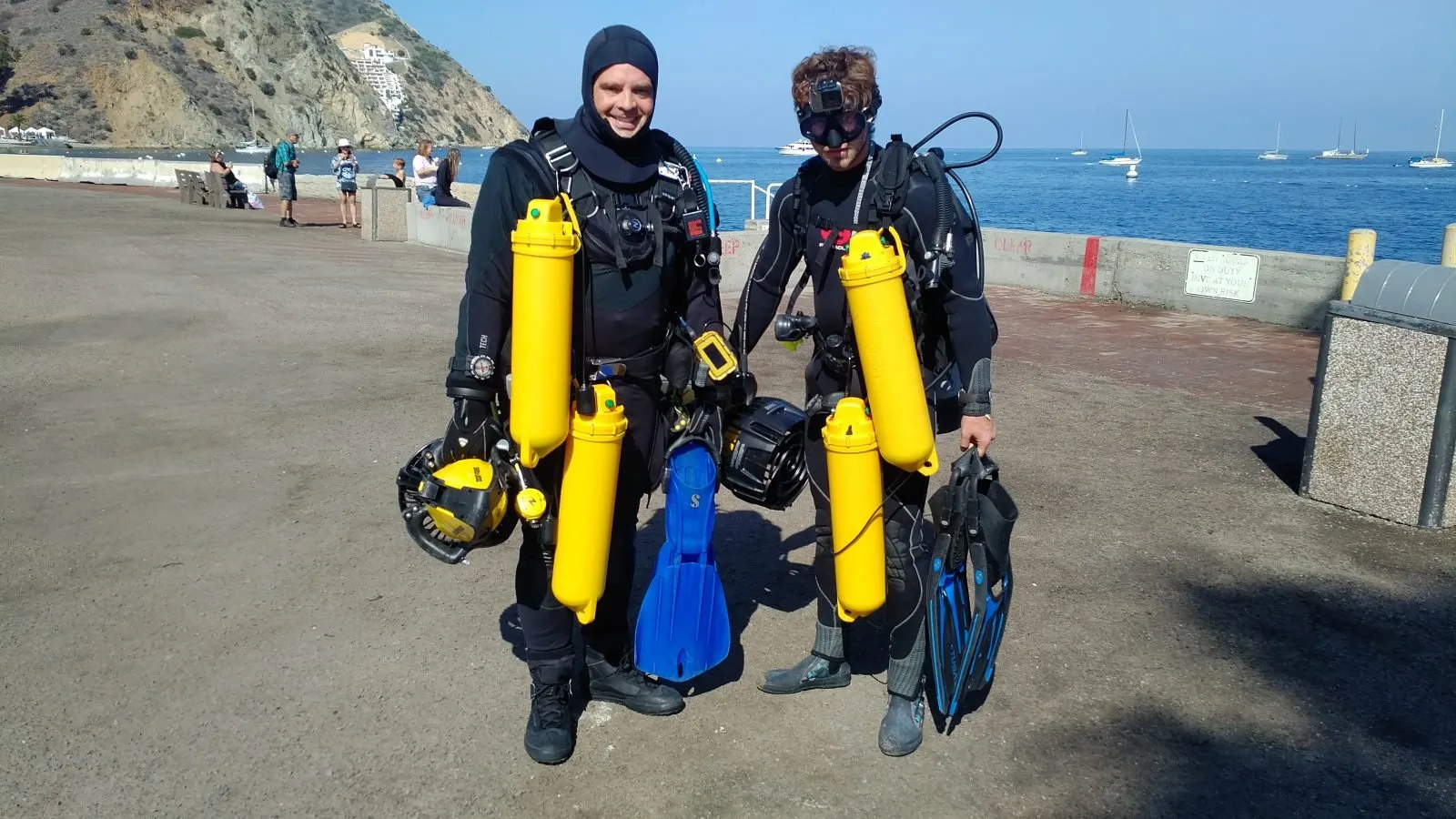
The task: communication, position and dive monitoring
Diving inspections, installation work, laying and repairing communications, lifting and rescue work, reinforcing and protecting structures — underwater the tasks are the same as on land, but the conditions are harder. You need constant communication between the diver and the dive control station, you need to know where divers and equipment are, and you need to monitor the parameters of the dive. A cable limits the diver's mobility, and fixing a position by surfacing with an external GPS antenna is slow and inconvenient.
UCNL equipment covers these three tasks without cables: wireless voice communication, hydroacoustic diver navigation, and depth and temperature monitoring at the dive station.
Which UCNL systems are used, and why
RedPhone: diver-to-surface voice communication
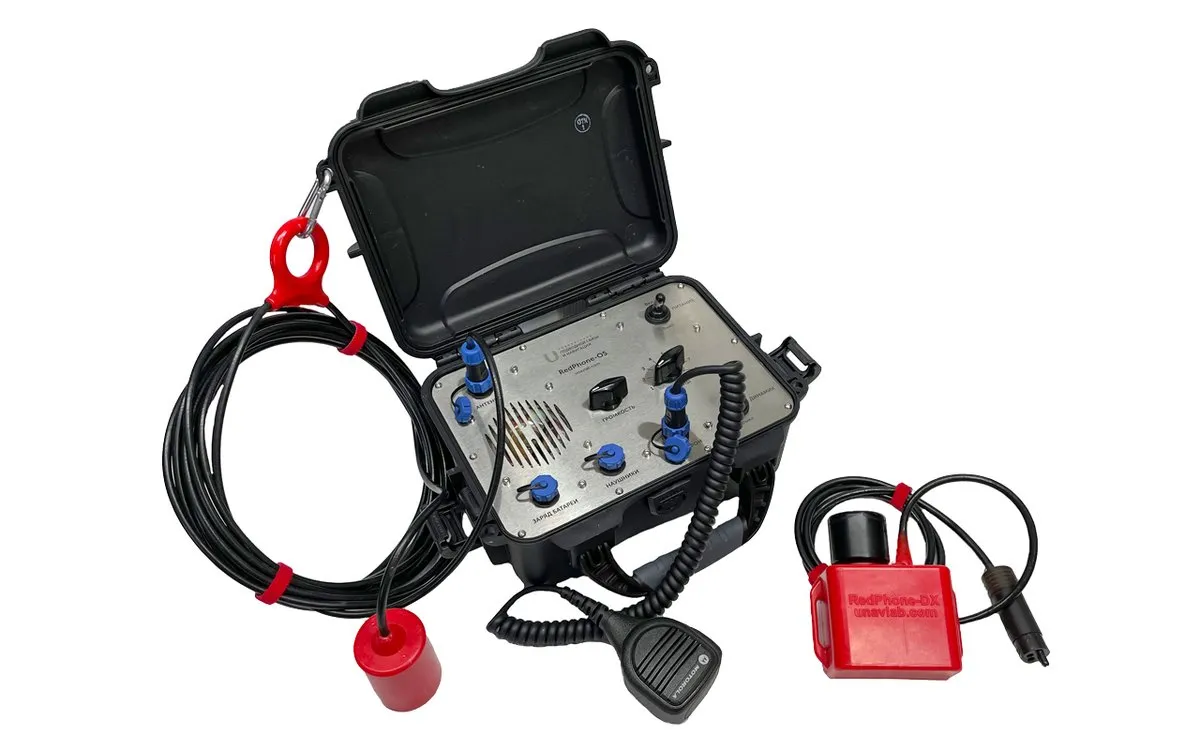
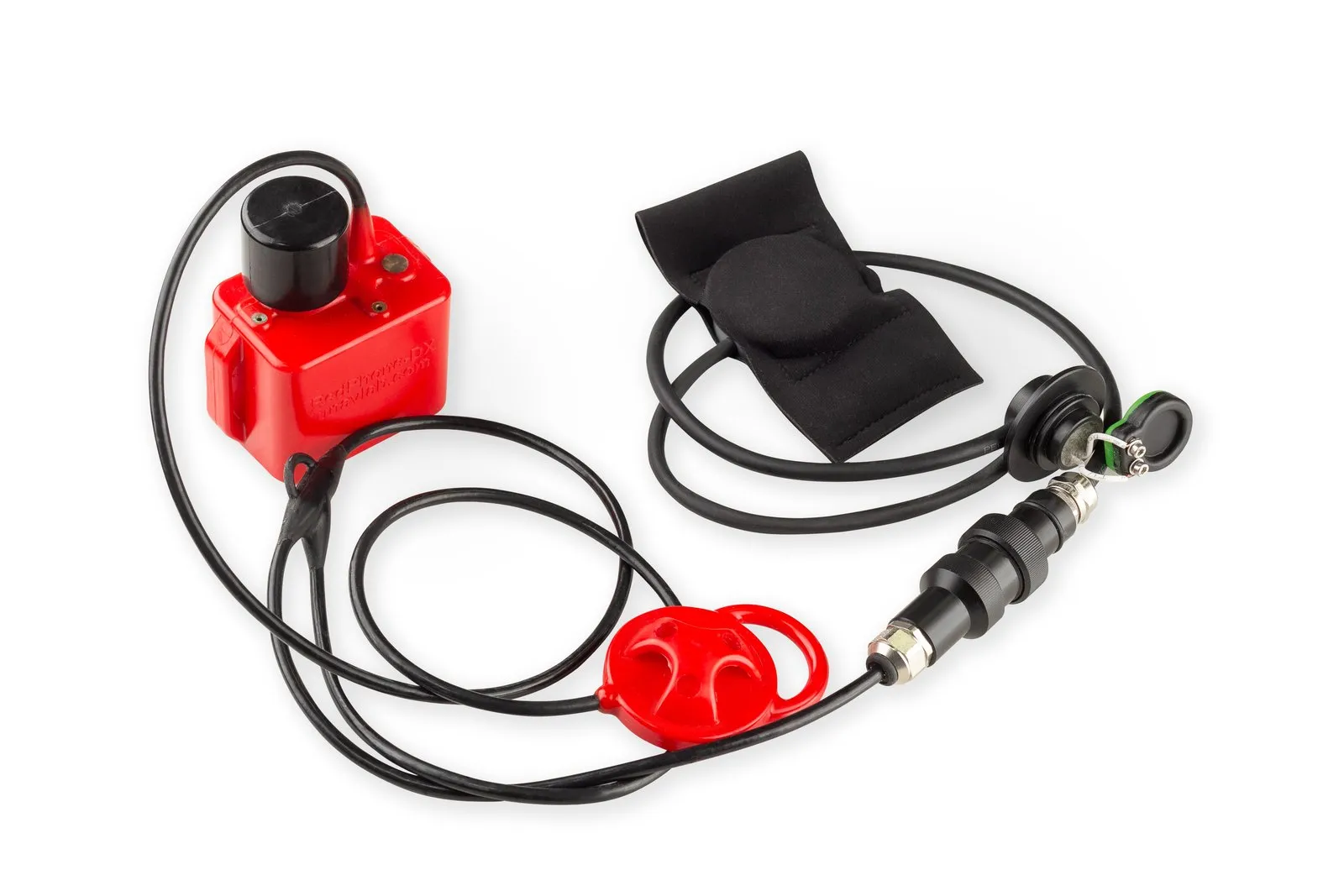
RedPhone is a wireless diver voice communication station. The diver carries the RedPhone-DX telephone unit, and the control station uses the RedPhone-OS surface station. Acoustic range is up to 1,000 m, there are 8 channels, and the diver unit weighs 0.6 kg and is rated to 100 m. The stations are compatible with most analogues (OTS, Oceanreef and others) and have a built-in speech detector.
Operation is simple. RedPhone-DX switches on automatically when submerged and works in Push-to-Talk mode: it receives continuously and transmits while the switch is pressed. The uPress button lets the diver start a transmission by pressing with any part of the palm, and uSpeak microphones, potted in polyurethane with no enclosed air cavities, can replace DEMSh and OTS HotMic units. Without transmitting, the diver unit runs up to 20 hours, in mixed mode up to 8 hours; the housing is a solid moulding with no openable parts, and charging and configuration are wireless. The RedPhone-OS surface station is built into an IP67 case and runs up to 30 hours receiving only.
RedWave and RWLT: diver positions
The RedNav navigator of the RedWave system shows the diver his or her own coordinates without surfacing and without an external GPS antenna on a cable. Any number of divers can work in the water area at once; the navigator is acoustically passive, rated to 70 m, runs up to 8 hours and records a track that can be exported to KML and CSV. Waypoints are loaded before the dive, and during the dive the diver saves new ones. In underwater construction, this kind of referencing in absolute coordinates allows site referencing almost as on land, with the data overlaid on maps and satellite images. Remotely operated vehicles fitted with the RedNode receiver can work in the same navigation baseline as the divers, so diving and robotic work are carried out in a single coordinate system.
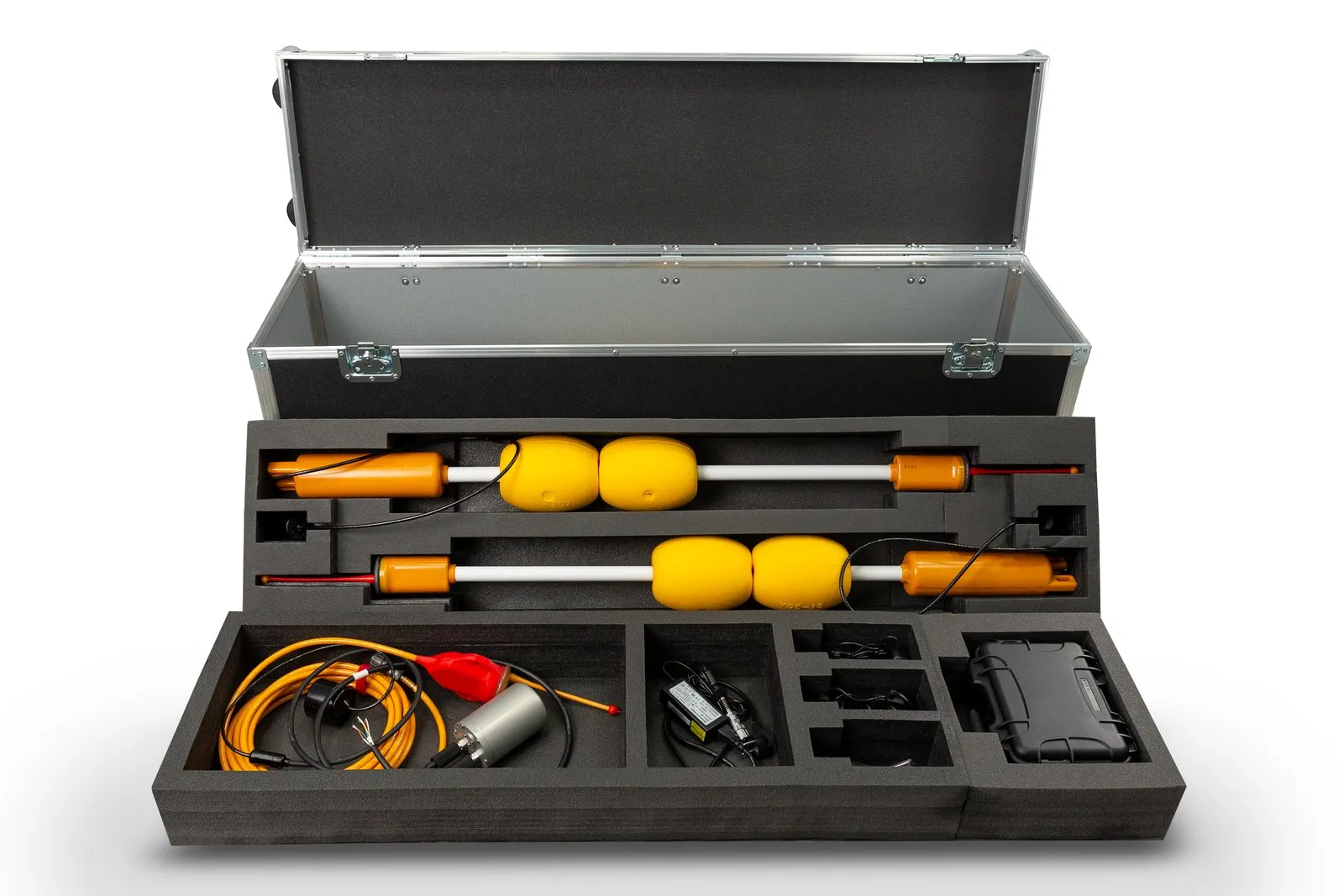
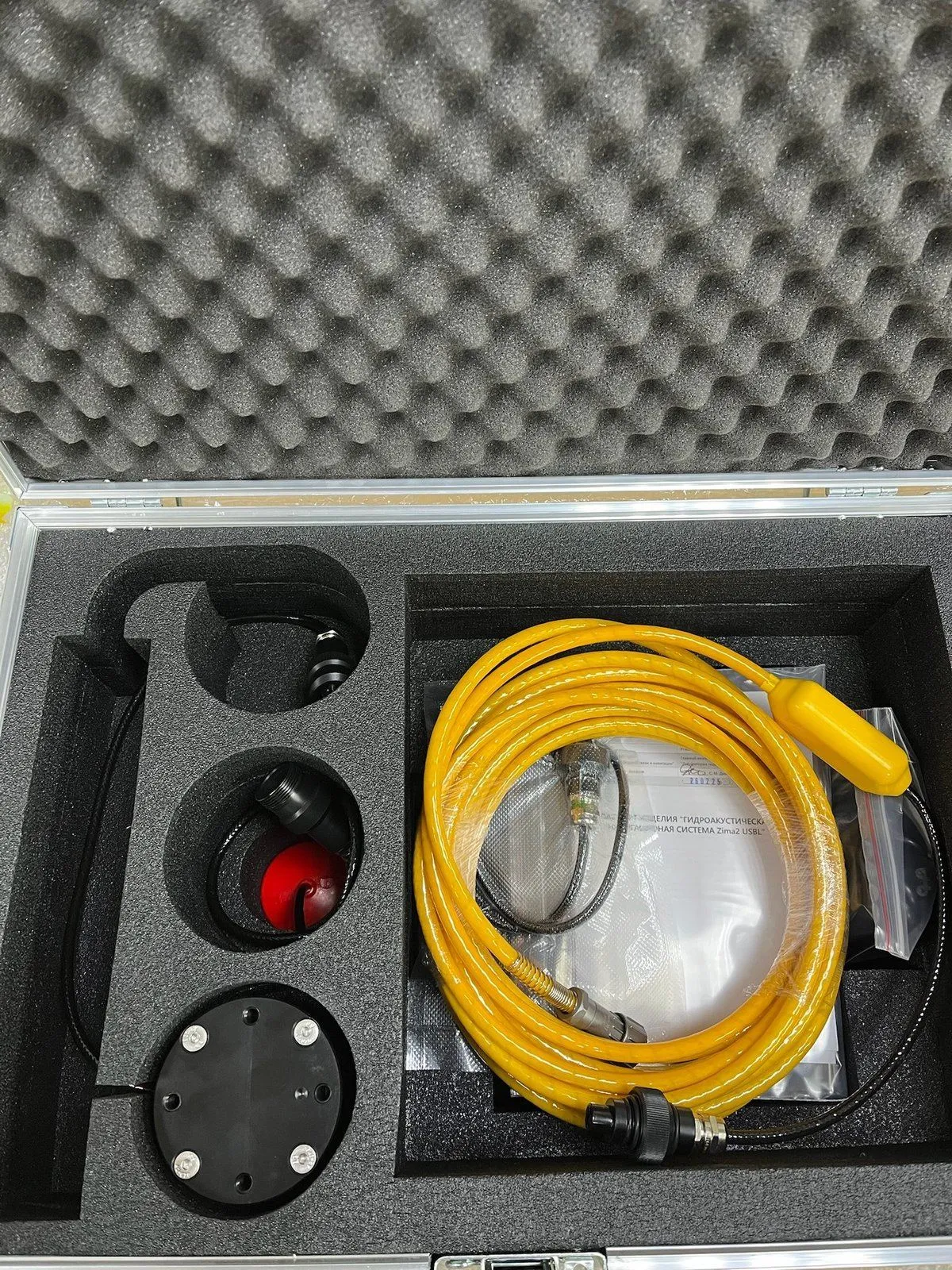
When the divers' positions must be visible on top, RWLT is used. The RedPhone-DX diver station acts as a pinger, and the position is fixed the moment the diver releases the transmit button. Communication and navigation thus work in one unit, and the open-source uTrackDiver application shows up to 255 divers. The distance between the four buoys of the baseline is 30 to 1,500 m. The relative position of divers can also be determined by the Zima2 system with responder beacons; it is used, among other things, for training diving specialists.
Crimea-300: depth and temperature at the dive station
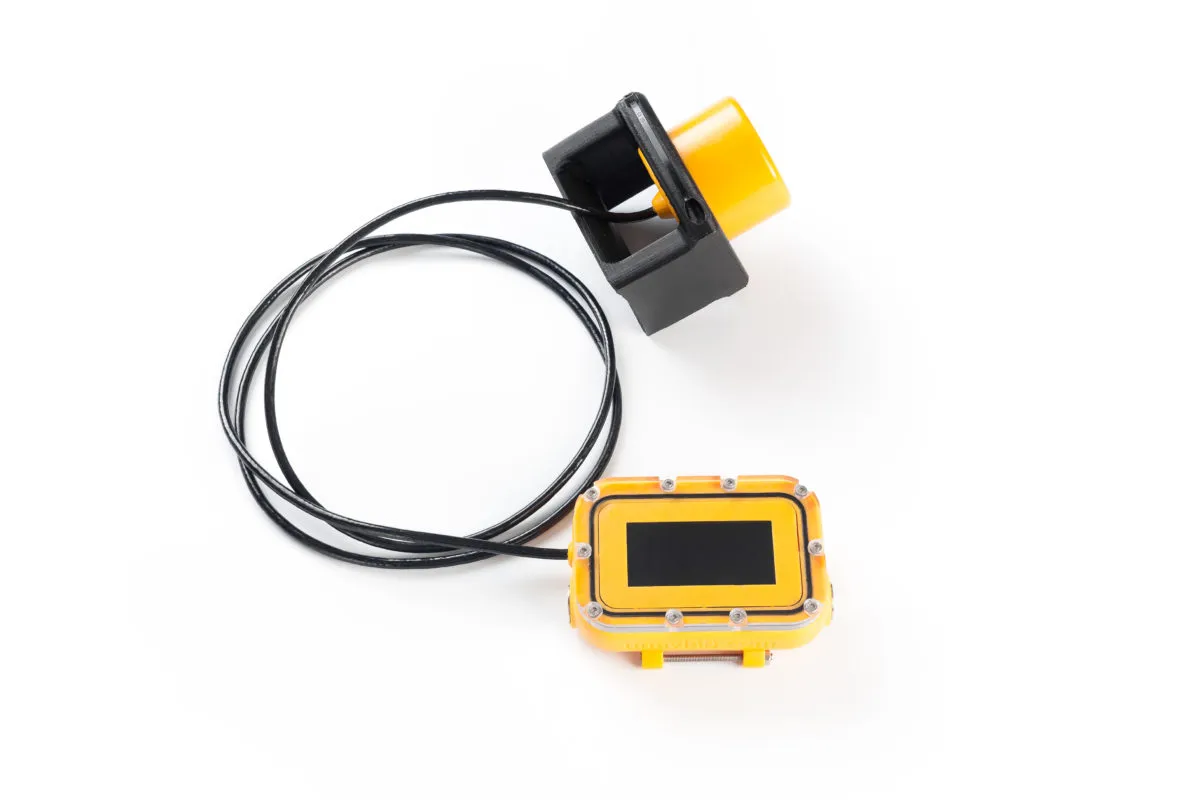
The Crimea-300 system consists of two modules linked over RS-485. The 50×21 mm measuring module is attached to the diver; the 98×60×20 mm interface module is installed at the dive control console, shows the current depth and temperature and lets you calibrate the measuring module. Depth accuracy is ±2.5 cm and temperature accuracy down to 0.1 °C. The interface protocol is open, so the measuring module can be connected to your own system.
A typical workflow
- At the dive control station, set up RedPhone-OS and, if needed, the Crimea-300 interface module.
- Give the divers RedPhone-DX with a headset; add RedNav or the Crimea-300 measuring module where needed.
- Choose the navigation scheme: RedWave if the diver needs to know the coordinate, RWLT if it must be visible at the tracking station.
- Work in Push-to-Talk mode; the station sees depth, temperature and, in the RWLT scheme, the diver's position.
- After the dive, upload the tracks and saved points — they let you return to the work site.
Where to go next
More on working with diver systems is in the article Applications of our devices. Related equipment is in the catalog: telephony and navigation. To try equipment before buying or to use it for one-off jobs, use equipment rental: RedNav and Zima2 are available on standard terms, RedPhone by special arrangement. If you need integration with your systems or non-standard functions, comprehensive engineering can help.
Zima2 in diving operations
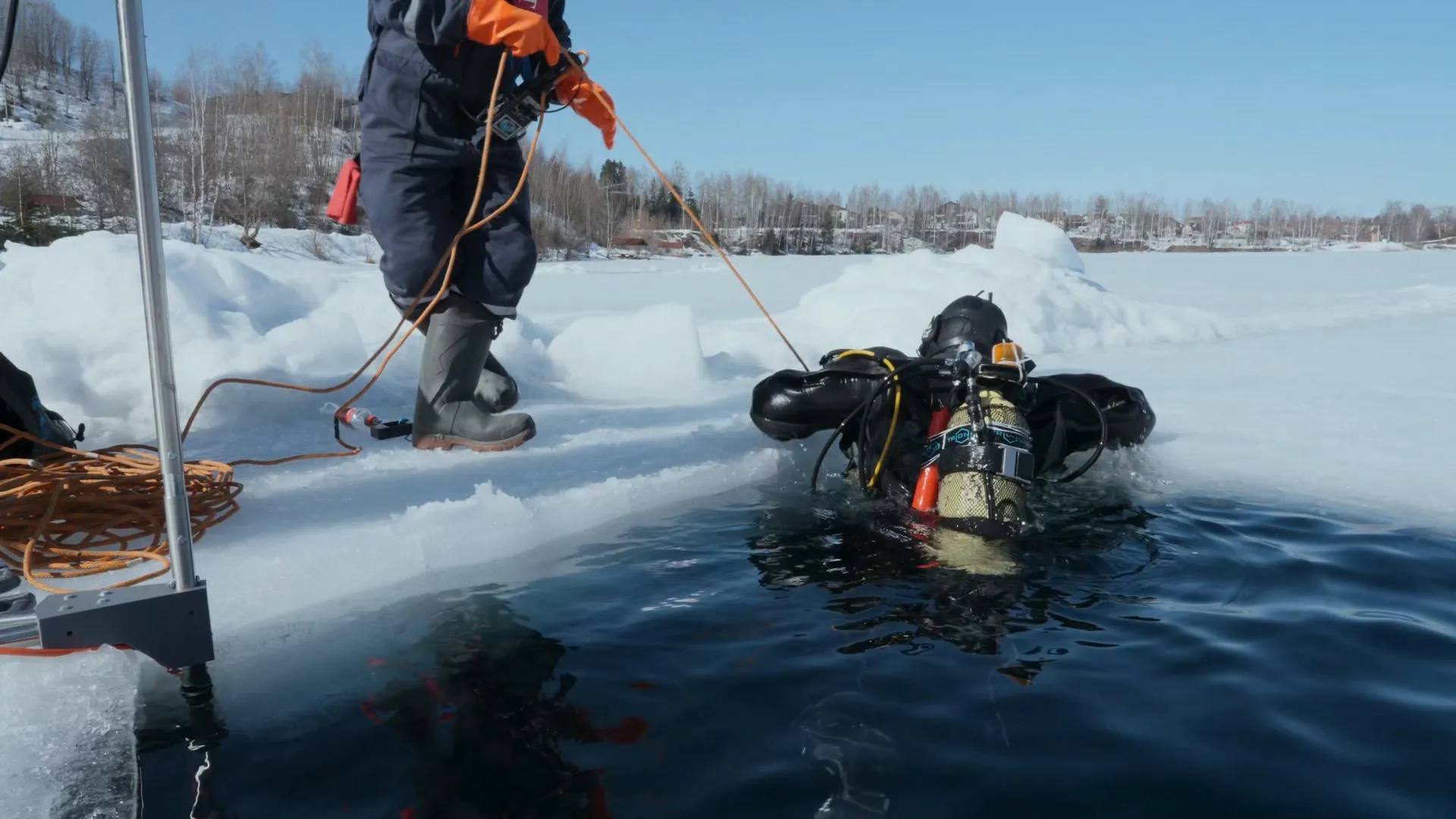
Setting up the system on the ice in 20 minutes, precise diver navigation to the target and sector-based search with reports featuring tracks and markers.
Systems for this task

Devices for this task
RedPhone-DX
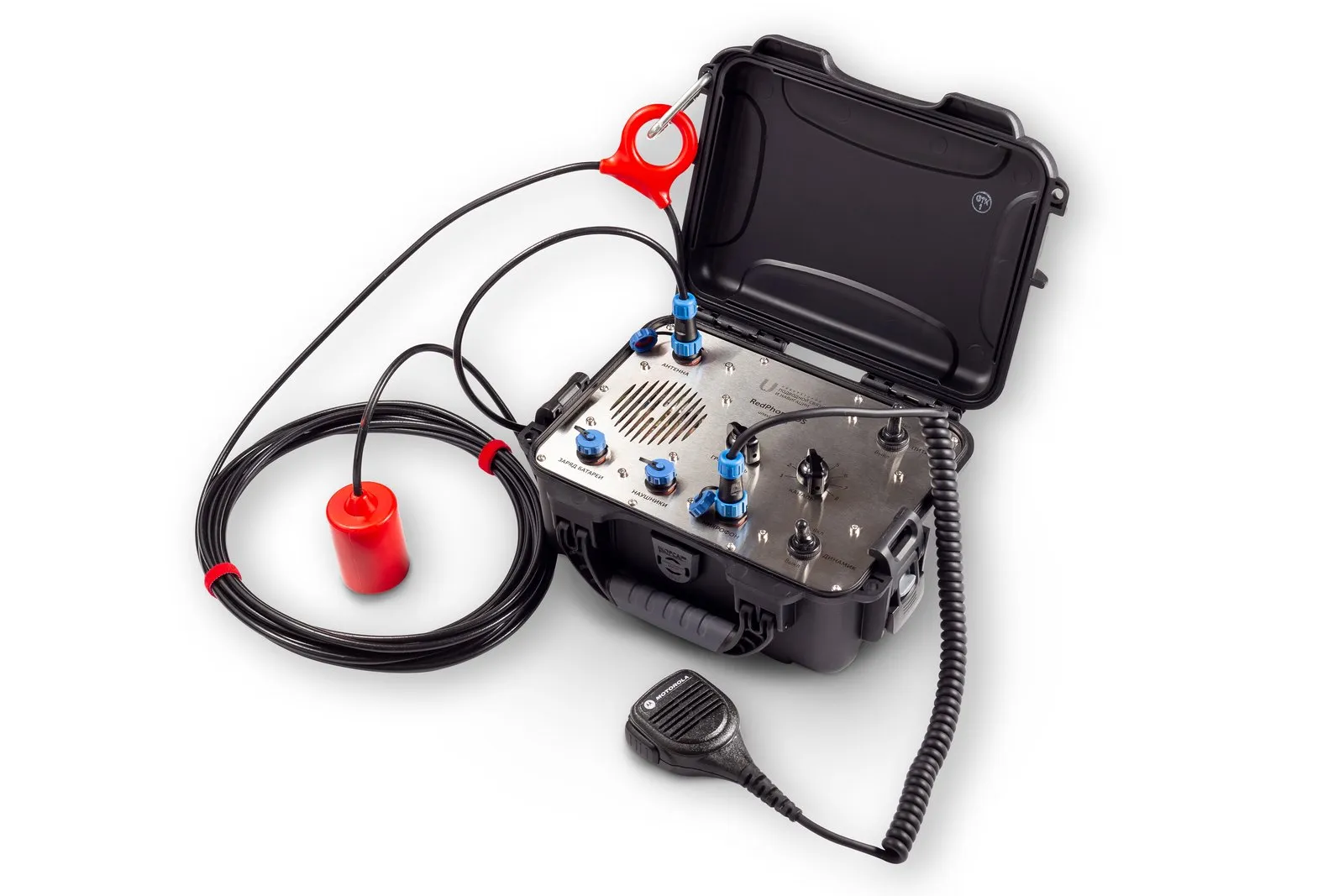
RedPhone-OS
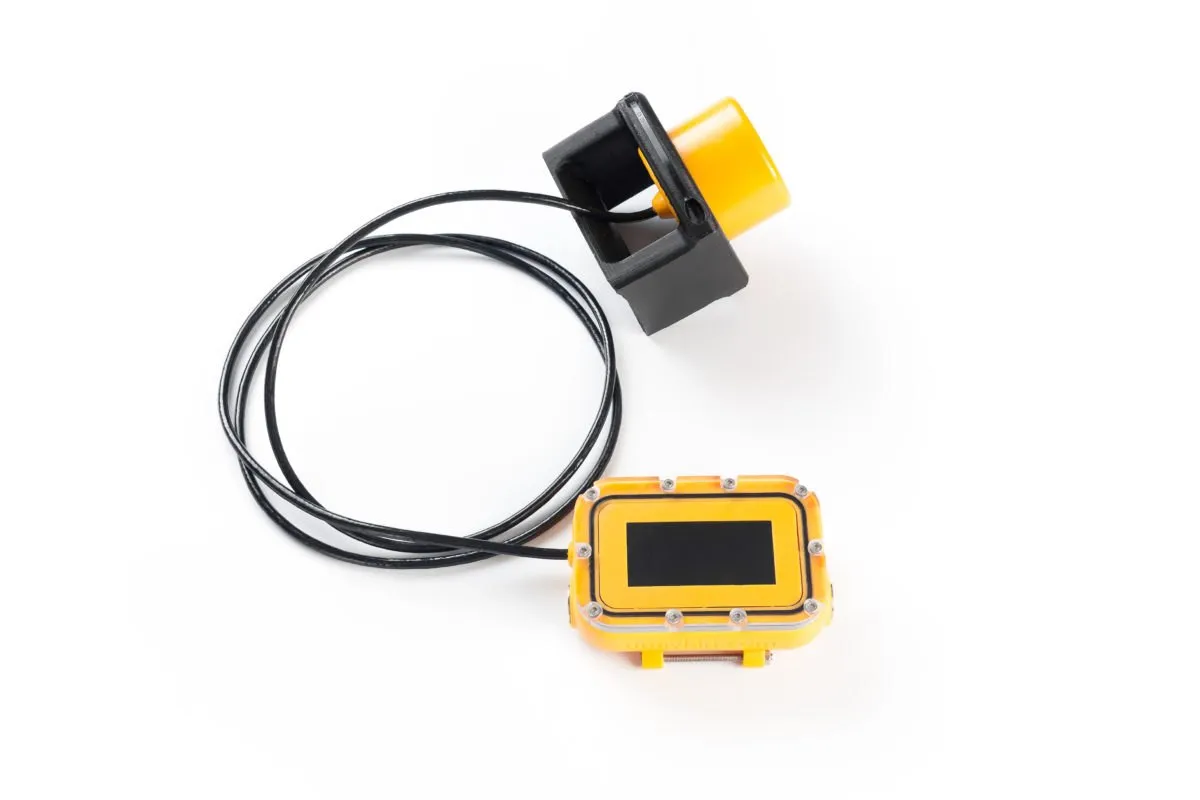
RedNav
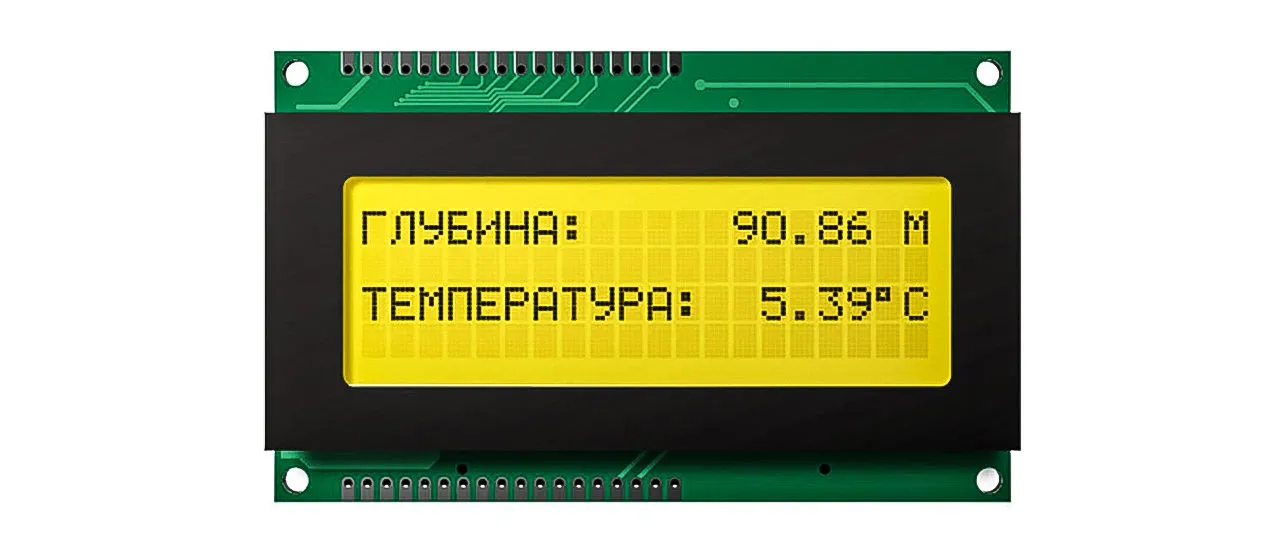
Crimea-300
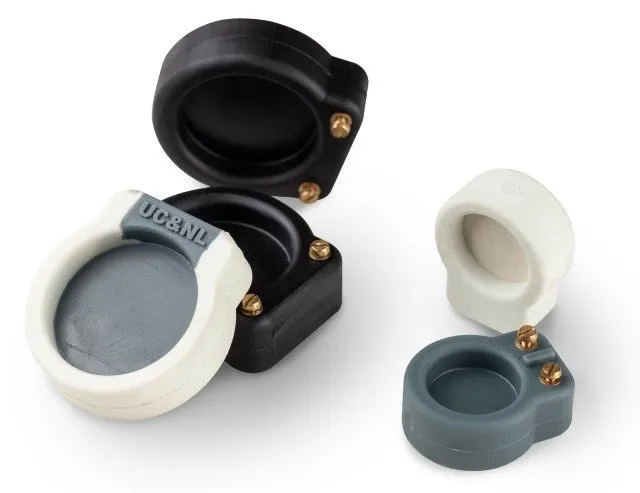
uSpeak
Related articles
How Divers Communicate Underwater: Hand Signals, Wired and Wireless Acoustic Links
Applications of our devices
Underwater Navigation: How USBL, LBL and iLBL Work and How They Differ
Underwater Navigation Glossary: USBL, LBL, Pinger, Transponder and More Terms
USBL or LBL: How to Choose an Underwater Positioning System
Invitation to the International Maritime Defence Show IMDS-2019 in St. Petersburg
Equip your divers with communication and navigation