uWave USBL hydroacoustic modem

uWave USBL
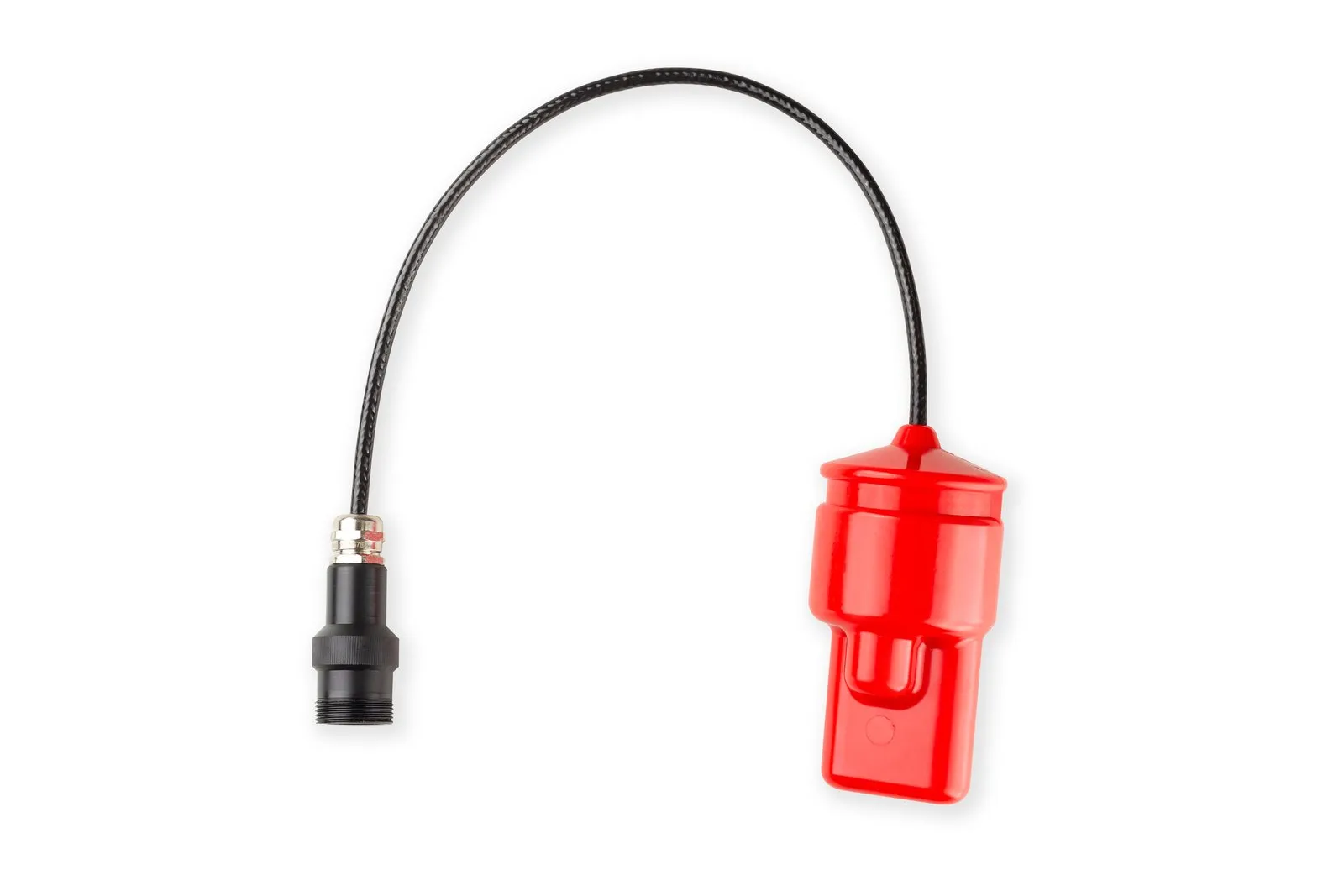
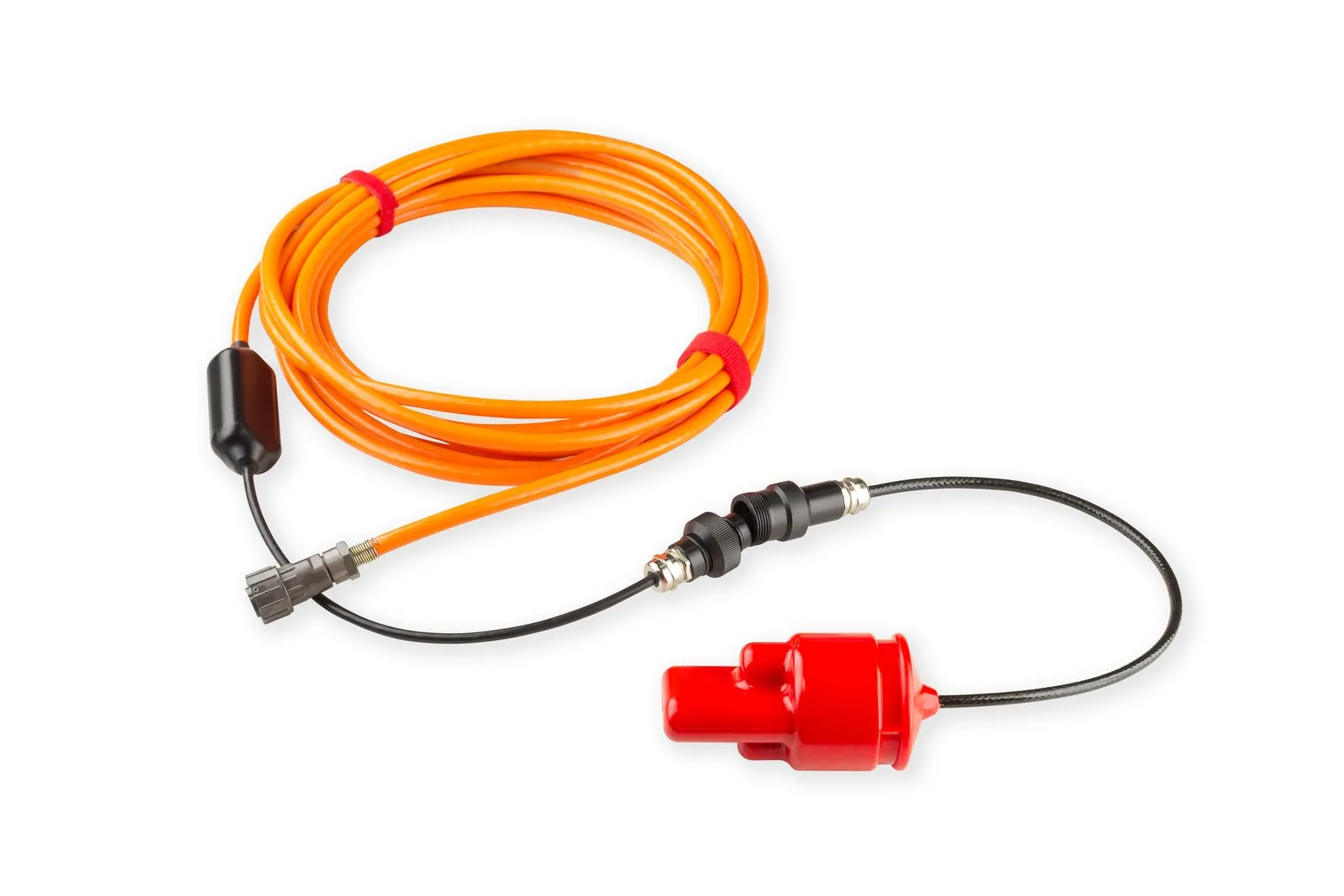
uWave USBL is a device that combines the functions of hydroacoustic data transmission and an ultra-short baseline (USBL) navigation system.
Using uWave USBL modems, the user can: transmit arbitrary user data between uWave USBL, uWave Max and uWave modems in any combination, with simultaneous determination of the horizontal angle of arrival; locate uWave USBL, uWave Max and uWave modems in command mode by range and horizontal angle of arrival; send up to 9 short code-based telecontrol commands; request the depth, temperature and supply voltage of remote modems; and measure its own depth, temperature, roll and pitch angles.
Devices in the uWave family use a simple NMEA-like configuration protocol, and the supplied open-source uWaveLib (.NET) and uWave ALibs (Arduino) libraries make it as simple and fast as possible to integrate the modems into custom solutions. The monoblock design is patented (patent RU2659299C1).
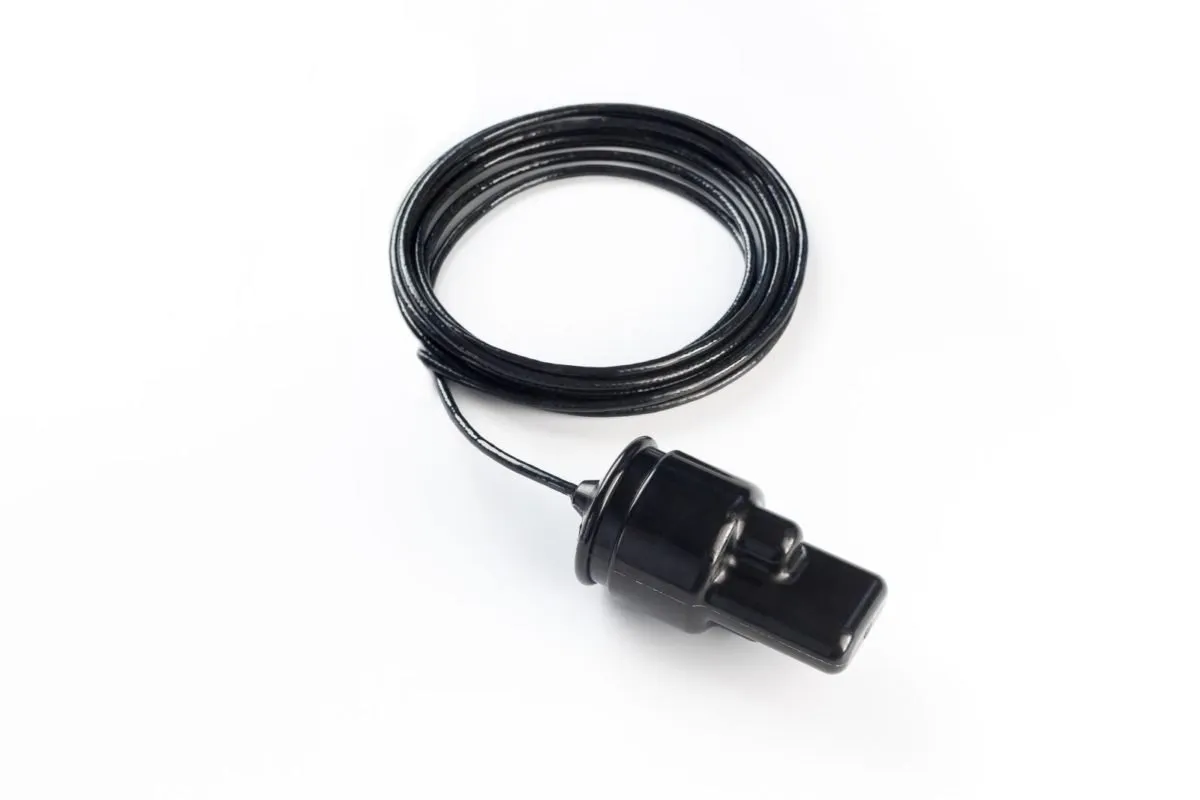
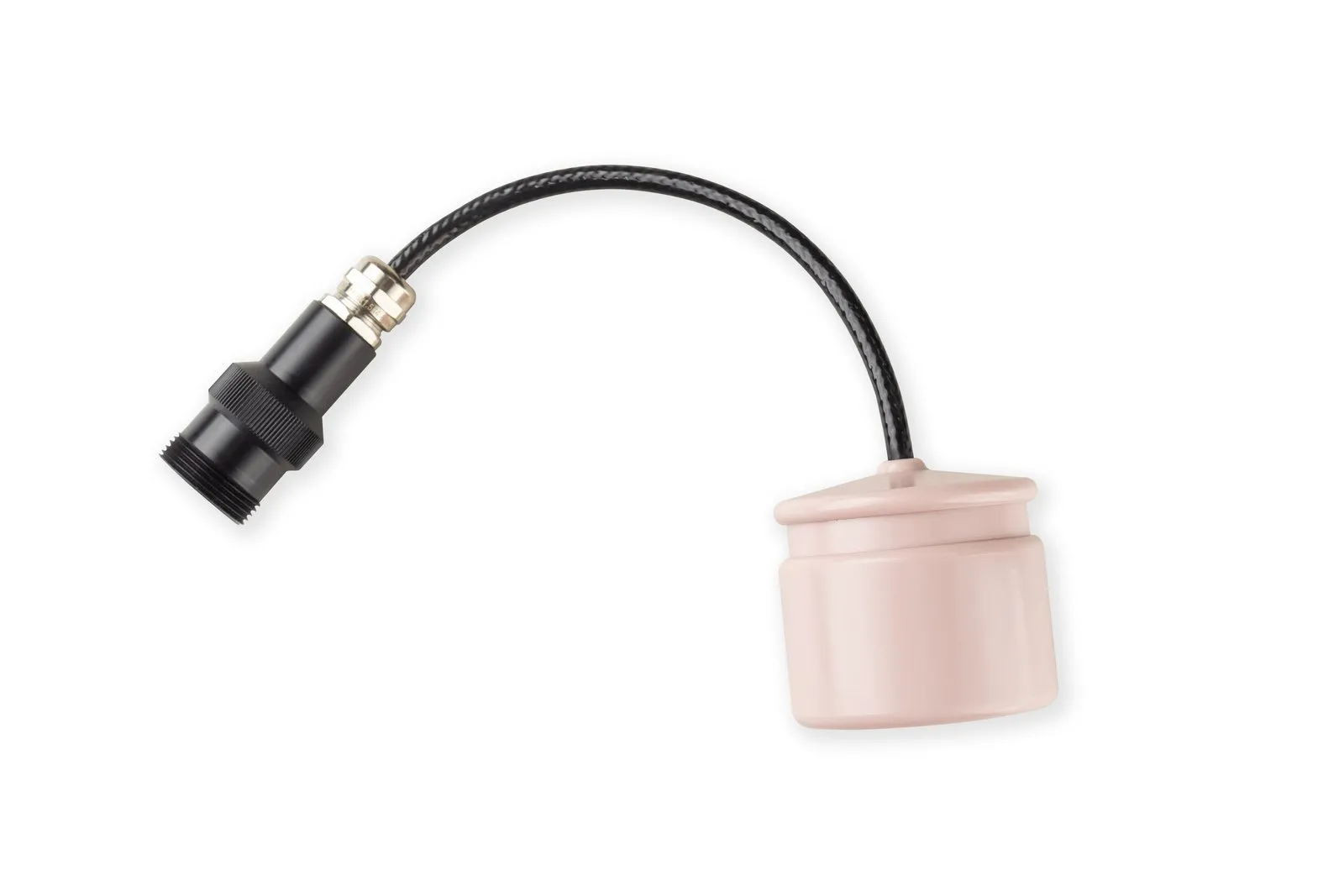
Structurally, uWave USBL is housed in the same enclosure as the Zima2-B direction-finding antenna of the Zima2 USBL navigation system — the devices are outwardly indistinguishable. However, they are functionally different instruments: uWave USBL transmits arbitrary user data and determines range and angle to any uWave family modem, while Zima2-B is the direction-finding station of the Zima2 system, working with Zima2-R responder beacons.
- Extremely small size and weight
- Data transmission combined with USBL navigation
- Communication range of up to 3000 m
- Reliable data transmission at speeds of up to 314 bit/s
- Code division of subscribers
- Signal propagation time measurement
- Highly reliable digital hydroacoustic communication
- Low power consumption (Rx/Tx) 0.33/10 W
- Open interface protocol
- Built-in pressure/temperature sensor
- Packet mode with guaranteed delivery (ALO — At-least-once)
- Patented monoblock design
Want access to detailed technical documentation for the device?
Documentation
- A parameter that determines the maximum range at which a signal can be received, based on the electro-acoustic parameters of the transmitter and receiver, the spatial decrease in sound energy intensity, attenuation in the medium and the acoustic noise level, in the 78 bps speed mode. The range applies when working with another uWave USBL, uWave Max or uWave Max OEM; the maximum range with standard uWave modems is 1000 m.
- The 78 bps speed mode is used by default. This mode provides the maximum range, reliability and number of code channels. Different speed modes are not compatible with each other; the mode is changed by reflashing the modem firmware.
- The maximum output power is achieved only with a 12 V supply. The device has built-in overvoltage protection of the amplifier circuit: at voltages above 12.8–13 V the power amplifier does not turn on, so data transmission is not possible.
- The value was obtained without taking multipath propagation into account, in a static laboratory experiment.
- Can be changed on special request.
- Given this value, the distance measurement resolution at a sound speed of 1500 m/s is 0.15 m.
- A modem equipped with a depth sensor can transmit depth readings locally, via the cable to the control system, and remotely, on request from another modem.
Data + navigation in one channel
User data transmission is combined with determining the horizontal angle and range to the counterpart device — no separate USBL station is needed.
Similar devices
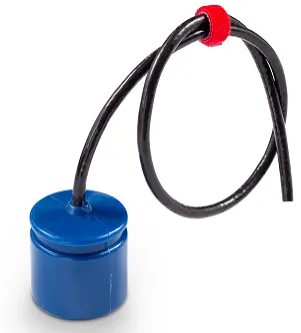
uWave

uSwitch
RedLine
RedGTR
Buy
UCNL products